Recruiters know the routine. A new position opens, dozens of CVs arrive, and hours disappear into reading profiles, comparing experience and building a shortlist.
Can AI CV screening actually make that process easier, or is it just another HR tool promising more than it delivers?
The answer depends on what the tool does with the information. Good AI-powered HR tools don't simply process CVs faster. They help recruiters find relevant experience, apply consistent criteria and spend less time on repetitive work.
But faster isn't always better. If recruiters have to double-check every result or cannot understand why a candidate received a particular score, the time saved quickly disappears.
Why Manual CV Screening Takes More Time Than Expected
Reading a CV is rarely the difficult part. The challenge is comparing dozens of applications fairly and consistently.
A recruiter reviewing 80 candidates might start with a clear set of requirements. But after several hours, details become harder to track. One applicant describes project leadership, another mentions coordinating teams, and a third uses entirely different terminology for similar experience.
Each comparison takes attention. Add interview preparation, internal discussions and updating recruitment records, and the workload grows.
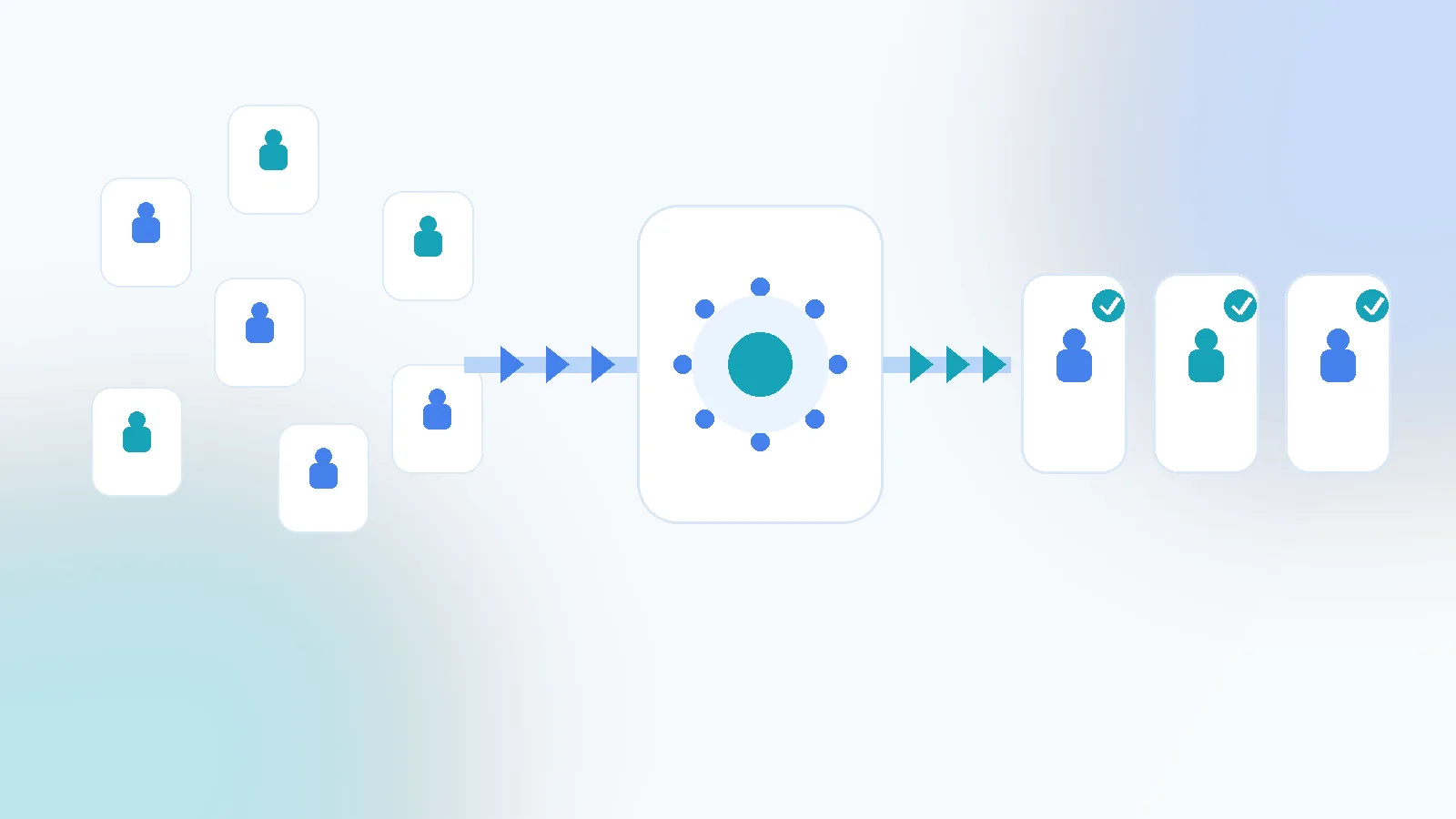
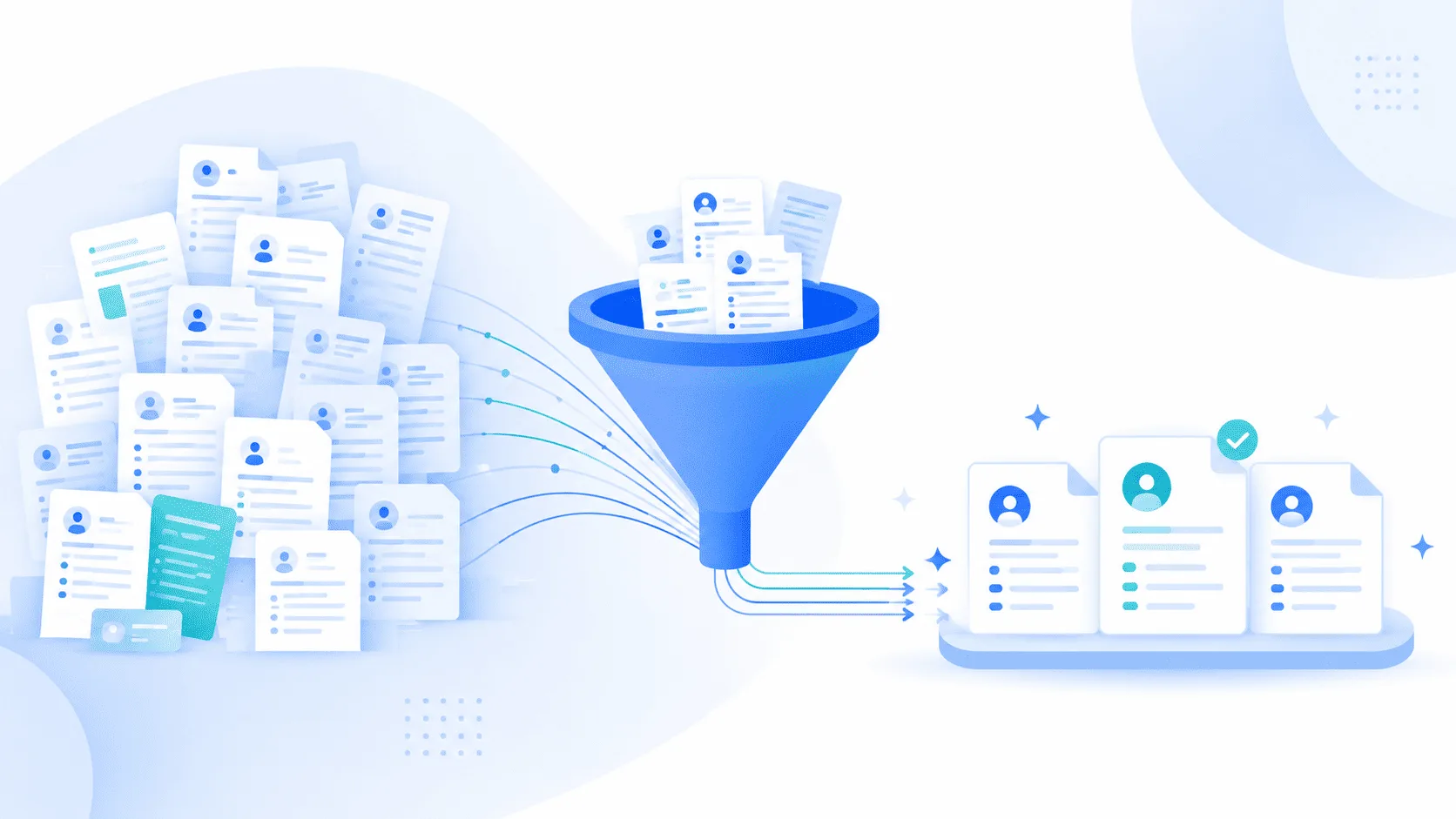
This is where AI candidate screening can help. By extracting relevant information and comparing applications against job requirements, AI can give recruiters a more structured starting point.
It doesn't eliminate the need to read CVs. It helps recruiters decide where to focus their attention.
For a closer look at how this works, read AI CV Screening: What Recruiters Should Expect.
How Much Time Can AI CV Screening Actually Save?
Let's take a practical example.
Imagine an HR team reviewing 100 applications for one position. Without automation, the team spends time reading CVs and comparing candidates. With AI-assisted screening, some of that preparation can be reduced, although recruiters still need to verify the results.
| Activity | Manual Screening | AI-Assisted Screening |
|---|---|---|
| Initial CV review | 300 min | 30 min |
| Candidate comparison | 90 min | 45 min |
| Verification of AI results | — | 60 min |
| Additional administration | — | 15 min |
| Total | 390 min | 150 min |
These figures are illustrative, not measured performance results for MONARK Pepit.
In this example, the team recovers four hours, reducing the time spent on these activities by approximately 62%.
That's time recruiters could spend interviewing candidates, discussing shortlists with hiring managers or improving the candidate experience.
Of course, actual savings depend on the volume of applications, job complexity and reliability of the assessments.
The important measure isn't how quickly the software processes 100 CVs. It's how much time recruiters save after reviewing and verifying the results.
HR Tools: Useful Automation or Just Another Gimmick?
Not every AI feature is worth paying for.
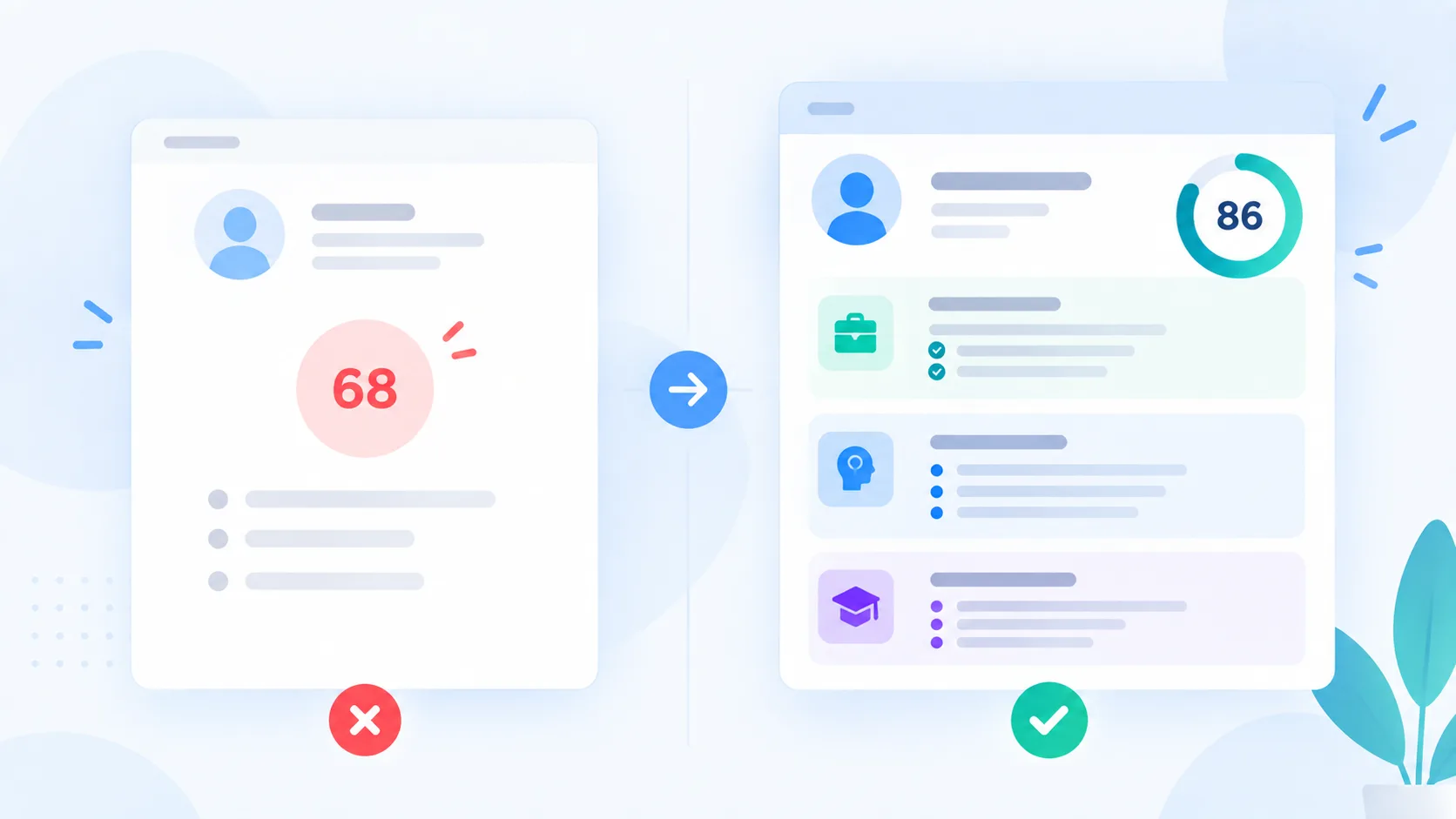
A tool that produces a candidate ranking without explaining it may look impressive in a demo. In practice, it can create more questions than it answers.
Consider two candidates receiving scores of 86% and 74%. The numbers suggest a difference, but what does that difference mean?
Did one candidate demonstrate more relevant experience? Is a required qualification missing? Could the system have overlooked information in the second CV?
Recruiters need answers, not just percentages.
| A Useful AI HR Tool | A Tool That Adds Little Value |
|---|---|
| Explains candidate scores | Shows unexplained rankings |
| Uses job-related criteria | Relies on unclear assessments |
| Lets recruiters review evidence | Encourages blind trust |
| Fits existing HR workflows | Adds unnecessary manual steps |
| Demonstrates time savings | Makes promises without evidence |
| Supports recruiter decisions | Tries to replace human judgment |
Explainable scoring makes results easier to review, but it doesn't automatically guarantee accuracy or fairness. Recruiters still need to question assessments and check whether relevant candidates are being missed.
Our article on candidate scoring explores this in more detail.
When Is AI Candidate Screening Worth Using?
AI screening is most valuable when the volume of applications makes manual review repetitive.
A company hiring one person from ten applications may not need additional software. But an HR team managing several vacancies and reviewing hundreds of CVs faces a different challenge.
AI applicant screening can be particularly useful for recruitment agencies, small HR departments managing frequent vacancies and companies hiring for technical or specialized roles.
The same applies when several recruiters review candidates for one position. Shared assessment criteria can make comparisons easier, although they still need to be checked for relevance and fairness.
Before investing in AI candidate screening software, it's worth asking three questions:
- How much time does our team currently spend on initial CV screening?
- Where do we lose the most time: reading, comparing, shortlisting or preparing interviews?
- Will the tool reduce that workload without creating additional verification or administrative work?
If repetitive screening is a genuine bottleneck, AI may be worth testing. If it isn't, another part of the hiring process might deserve attention first.
Will AI Screening Work with Your Existing HR Tools?
A screening tool shouldn't force recruiters to rebuild their entire process.
Some teams use an Applicant Tracking System (ATS). Others manage recruitment through email, shared folders or internal HR software.
Where supported, ATS integration can bring applications and screening results into the same workflow. But a standalone tool can also work well, particularly for smaller recruitment teams.
What matters is whether the process remains straightforward: importing applications, reviewing assessments and moving candidates to the next stage without unnecessary duplication.
For more on this topic, see our guide to ATS integration and automated first-pass screening.
How to Tell Whether an AI Recruitment Tool Is Working
Rather than committing to a platform based on a polished demonstration, test it with a real recruitment scenario.
Choose one or two representative vacancies and compare your current screening process with an AI-assisted approach.
Measure the time spent reviewing applications and producing shortlists. Check whether candidate information is extracted correctly, whether recruiters understand the scores and whether qualified applicants may have been overlooked.
Also include training, software costs and any additional verification work.
A few warning signs deserve particular attention:
❌ Recruiters trust scores without checking the evidence. Important qualifications can be missed or misinterpreted.
❌ Job descriptions are too vague. Poorly defined requirements lead to less useful assessments.
❌ The tool creates extra administrative work. An impressive feature is not helpful if it complicates everyday recruitment.
❌ Nobody measures the results. Without comparing time and assessment quality before and after adoption, it's difficult to know whether the investment is worthwhile.
One useful financial measure is:
Net operating benefit = Value of recruiter time recovered − Total tool-related costs
Recovered time isn't necessarily a direct cash saving. Its value depends on how the recruitment team uses that additional capacity.
A successful pilot should demonstrate both efficiency and acceptable assessment quality.
How MONARK Pepit Puts These Ideas into Practice
The approach we've discussed is also the one behind MONARK Pepit.
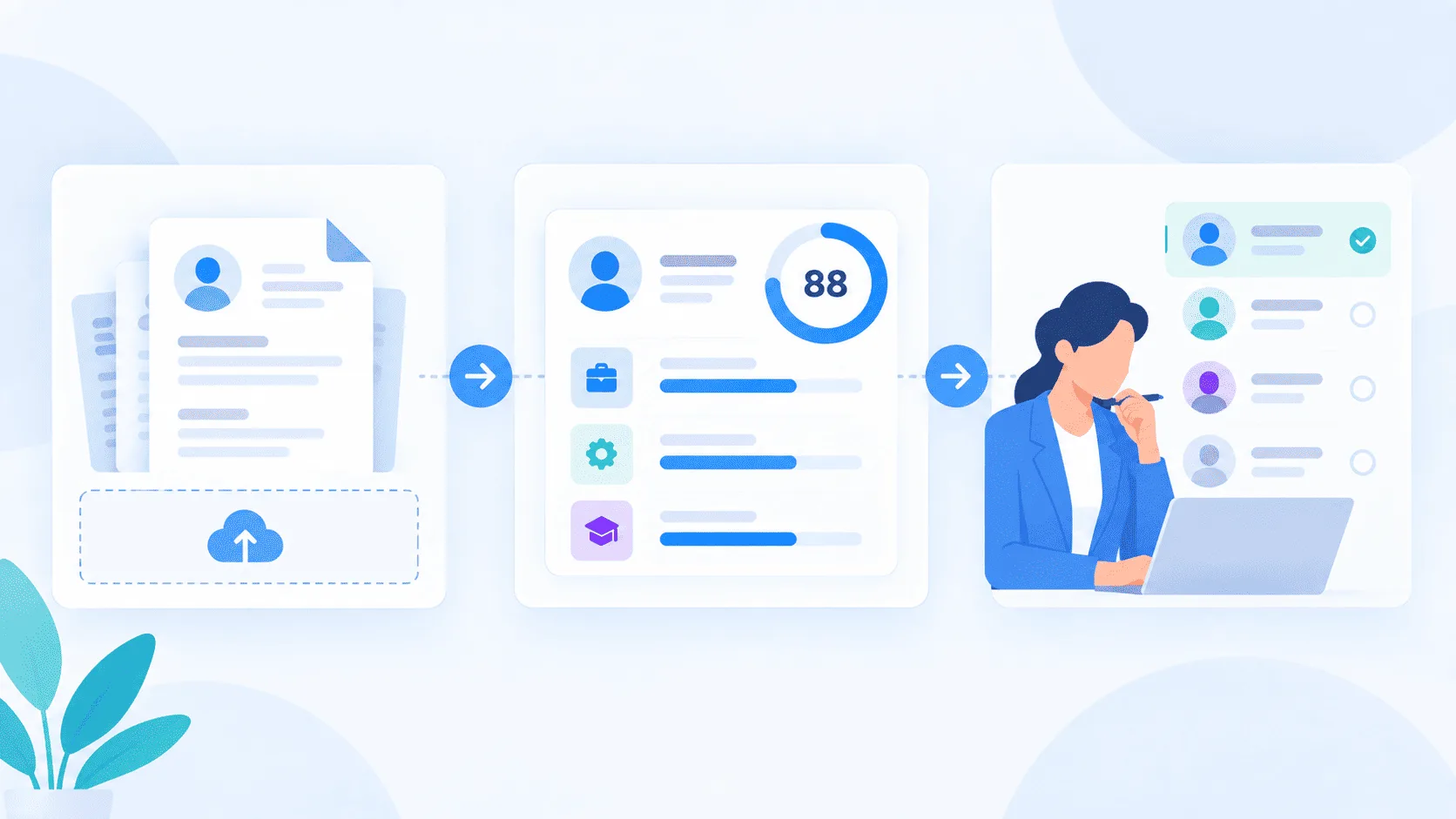
Rather than treating AI screening as a simple CV ranking exercise, Pepit brings together CV analysis, explainable scoring, shortlisting and interview preparation in a recruitment workflow.
It analyzes candidate profiles against job requirements, highlights relevant experience and provides supporting information recruiters can review.
For candidates moving forward, Pepit can also generate interview questions tailored to their profiles and the position they're applying for. This helps recruiters prepare more focused conversations without starting from scratch each time.
Most importantly, the recruiter remains in control. The AI supports the assessment; it doesn't make the hiring decision.
That's the purpose of Pepit: less time spent sorting applications, more time spent understanding candidates.
Explore MONARK Pepit AI CV Screening Software to see how these capabilities work together.
FAQ About AI-Powered HR Tools
Do AI HR tools really save recruiters time?
They can, especially when teams process large numbers of applications. The actual benefit depends on screening volume, the accuracy of AI results and the time required for human verification.
Can AI CV screening overlook qualified candidates?
Yes. AI may misinterpret experience or miss relevant qualifications. Recruiters should be able to review original CVs, question scores and reassess candidates when necessary.
Do companies need an ATS to use AI screening?
Not necessarily. Some AI screening tools work independently, while others integrate with ATS platforms. The right setup depends on the team's existing workflow and integration requirements.
Can AI recruitment tools replace human recruiters?
AI can support CV analysis, candidate comparisons and interview preparation. Human recruiters remain essential for understanding context, evaluating candidates and making hiring decisions.
So, Are AI HR Tools Worth It?
AI CV screening isn't a shortcut to better hiring. It's a way to reduce the repetitive work that often gets in the way of good recruitment.
When the assessments are understandable, the workflow is practical and the time savings are measurable, AI can earn its place in the HR toolkit.
The real test isn't how advanced the technology looks.
It's whether recruiters finish their screening work with more time, better information and greater confidence in their next steps.
Discover MONARK Pepit and explore a more practical approach to AI-assisted recruitment.