How much does custom CRM software really cost?
If you're planning to adapt an existing CRM to your business, a budget of $12,000 to $30,000 (roughly 120,000 to 300,000 MAD) might be a starting point for discussion. But it's not a standard price. The final cost depends on what the software already does, what needs to change and how many other systems it must connect to.
There's also a big difference between configuring an existing CRM, customizing a functional platform and building everything from scratch.
Before comparing quotes, it's worth understanding what you're actually paying for.
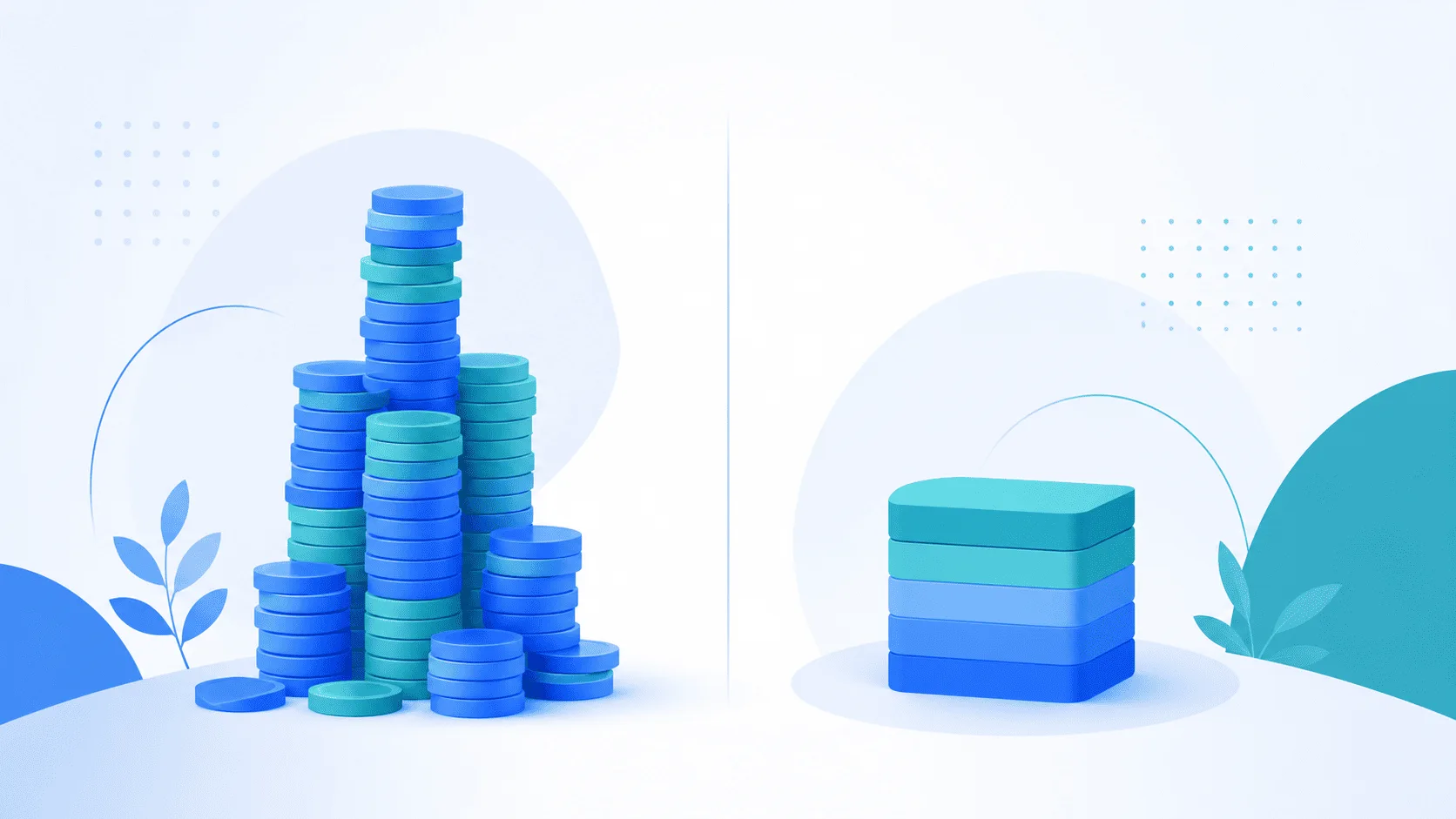
Custom CRM vs. SaaS: Which Costs More?
A SaaS CRM usually comes with a monthly or annual subscription. It's often the easiest way to get started, especially for a small team with fairly standard sales processes.
The catch is that the advertised price may not tell the whole story. Additional users, advanced features, integrations and onboarding can increase the cost over time.
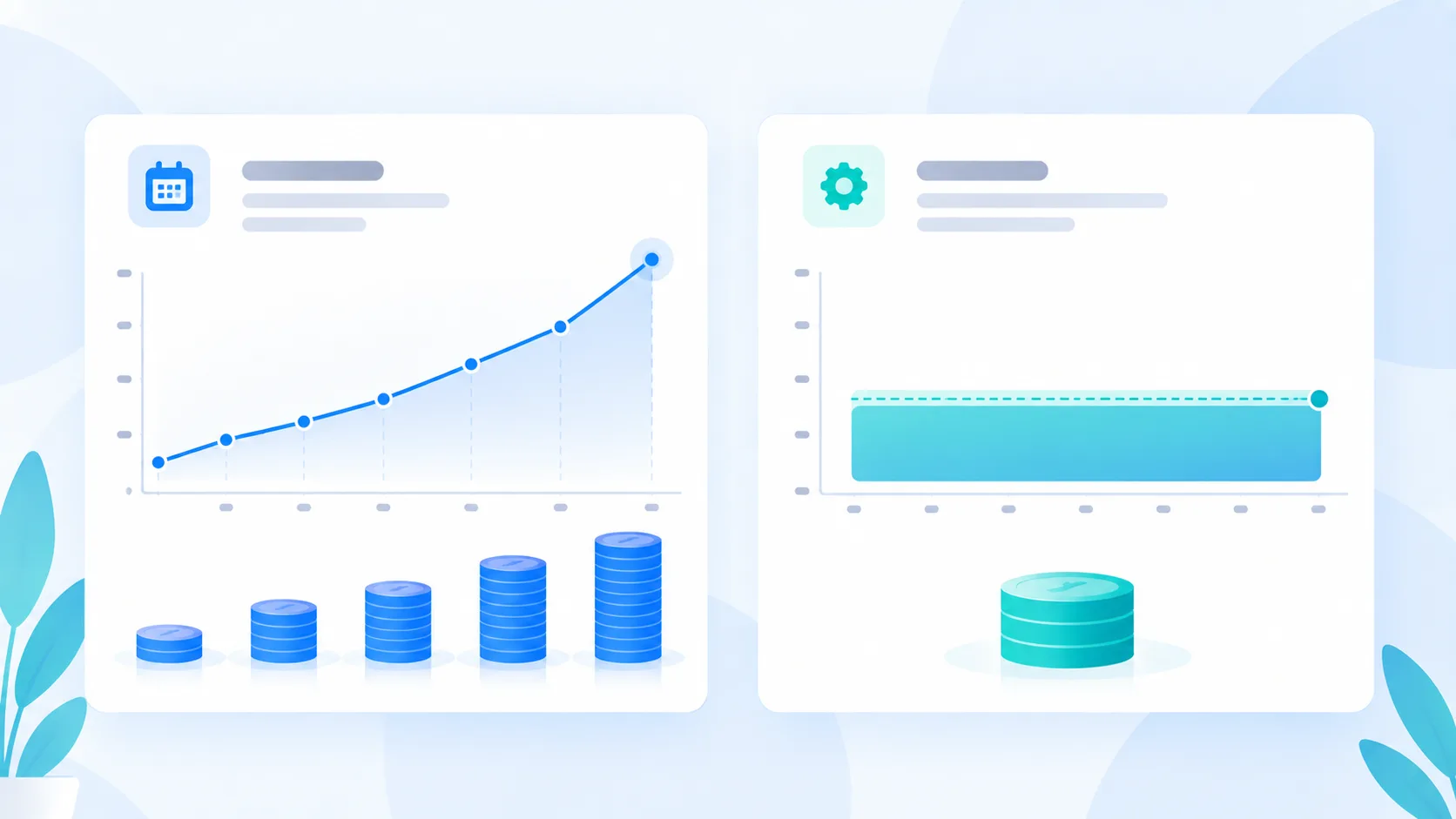
Take a simple example: a CRM subscription at $50 per user per month for a team of 20 costs $12,000 a year, or $36,000 over three years, before any additional services.
A customized CRM may require a larger initial investment but have a different recurring cost structure. You'll still need to consider hosting, maintenance, support and future changes.
So, is custom CRM software cheaper than SaaS?
Sometimes. But not always.
The sensible approach is to compare the total cost over three to five years, not just the first invoice.
| Cost | SaaS CRM | Customized CRM |
|---|---|---|
| Initial setup | Often lower | Usually higher |
| Subscription | Often recurring, per user or tier | Depends on the provider's model |
| Custom workflows | Subject to platform capabilities | Adapted to agreed requirements |
| Integrations | May require paid plans or add-ons | May require configuration or development |
| Maintenance | Usually included for the core SaaS platform | Depends on hosting and support arrangements |
| Future changes | Limited by available features and plans | Can be scoped as additional work |
Neither model is automatically better. What matters is how well it fits your business and what it will cost to keep using it.
What Are You Paying for in a Custom CRM Project?
A CRM project involves more than installing software.
Imagine a company that currently tracks leads in spreadsheets, follows up with customers through email and manages sales opportunities using a shared document.
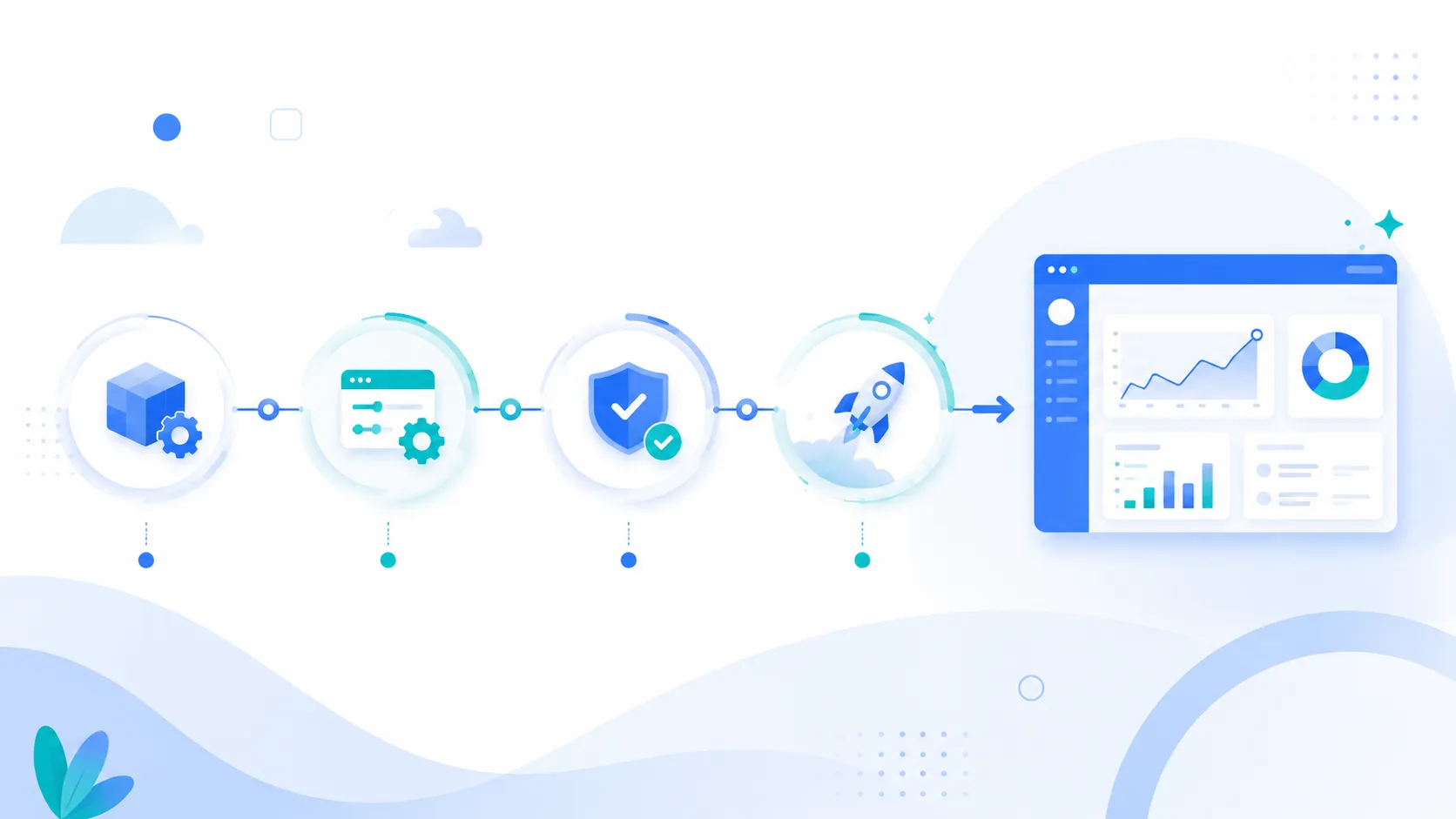
Moving that process into a CRM involves understanding how the team works, configuring the sales pipeline, organizing customer data and making sure everyone can use the new system.
Depending on the project, the budget may cover:
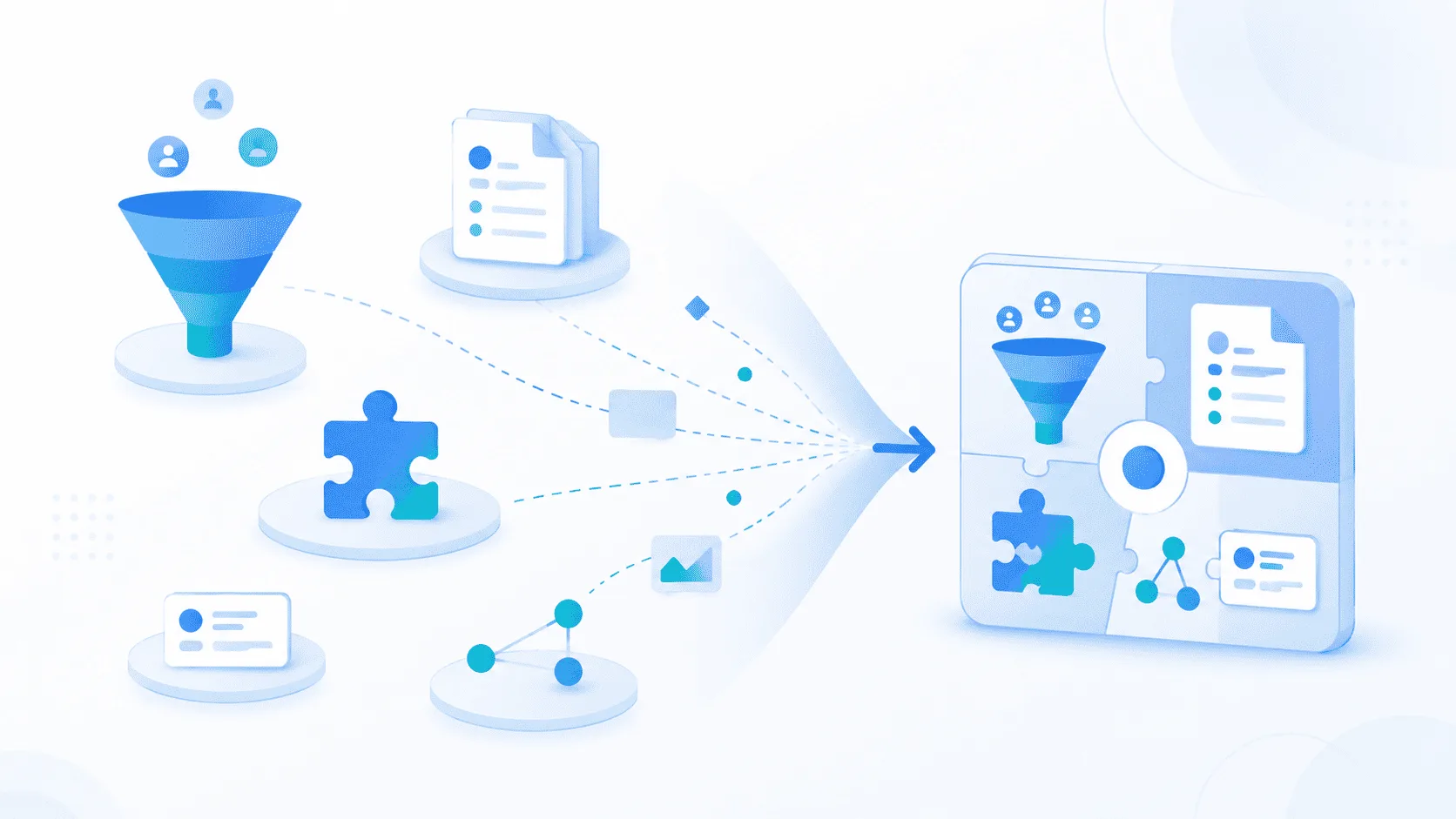
- CRM configuration: sales stages, lead tracking, customer records, follow-up tasks and reporting.
- Business-specific changes: fields, approval rules, user permissions and workflows.
- Data migration: importing contacts, opportunities and historical records.
- Integrations: connecting existing communication, accounting or business tools.
- Training and launch: helping the team adopt the CRM and resolving initial issues.
Not every provider includes all these services in the base quote. Ask for a clear breakdown so you know what's covered.
What Makes Custom CRM Software Cost More?
The size of your company isn't always the biggest factor.
A business with 50 salespeople following one straightforward process may need less customization than a ten-person company managing several services, approval rules and disconnected systems.
The main cost drivers are the complexity of your workflows, the condition of your existing data and the integrations you need.
CRM features matter too.
Lead tracking, sales pipeline management and basic reporting may already be available in an existing platform. Adapting those features is usually a different job from building new ones.
By contrast, complex pricing rules, custom approval processes or integrations with several external applications can require additional development and testing.
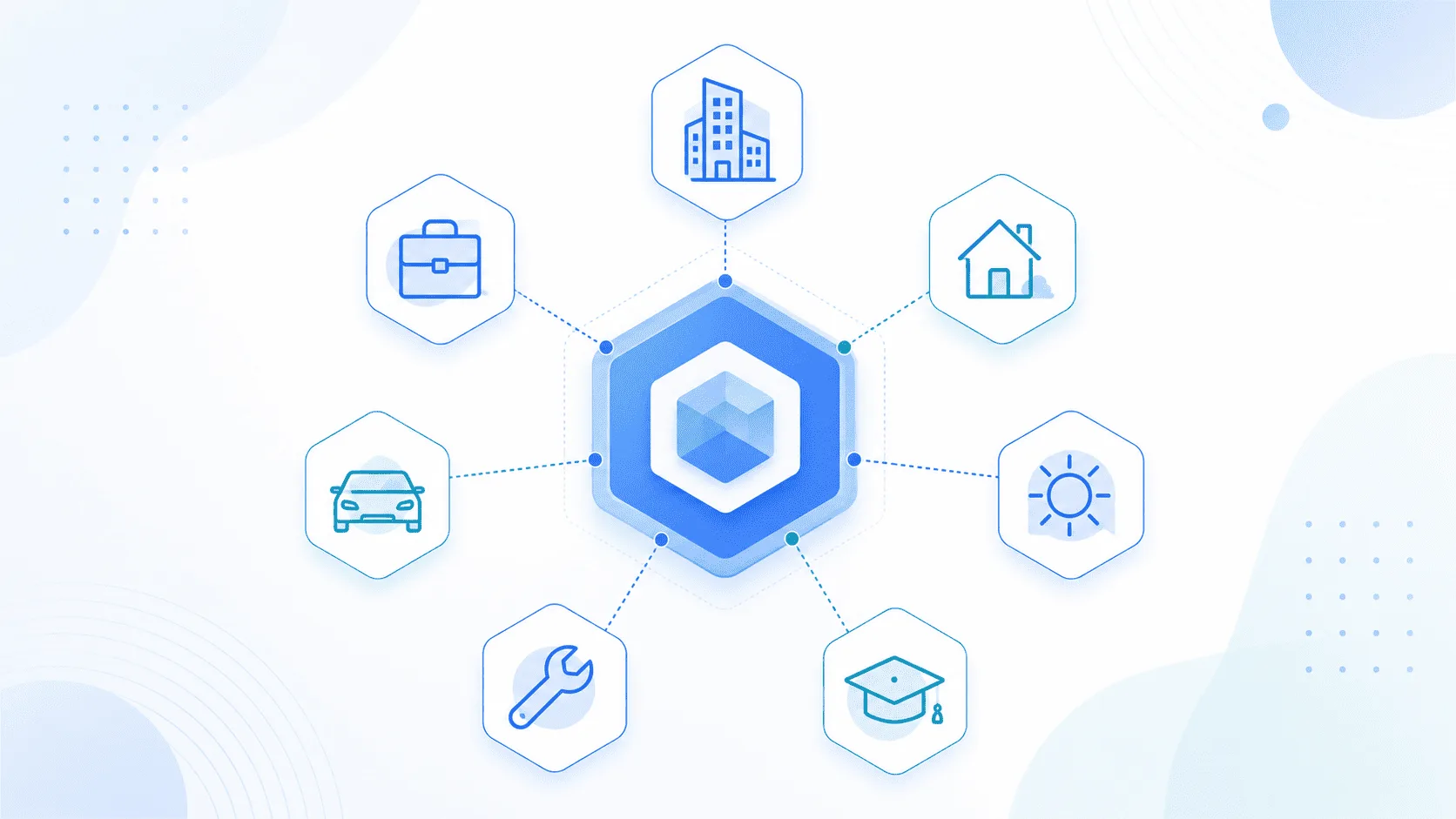
Industry requirements also play a part. A real estate company, for example, may need property records and visit tracking, while a service business might prioritize scheduling, client history and recurring follow-ups.
It's the work behind those requirements—not simply the industry label—that influences the final quote.
Should You Customize an Existing CRM or Build from Scratch?
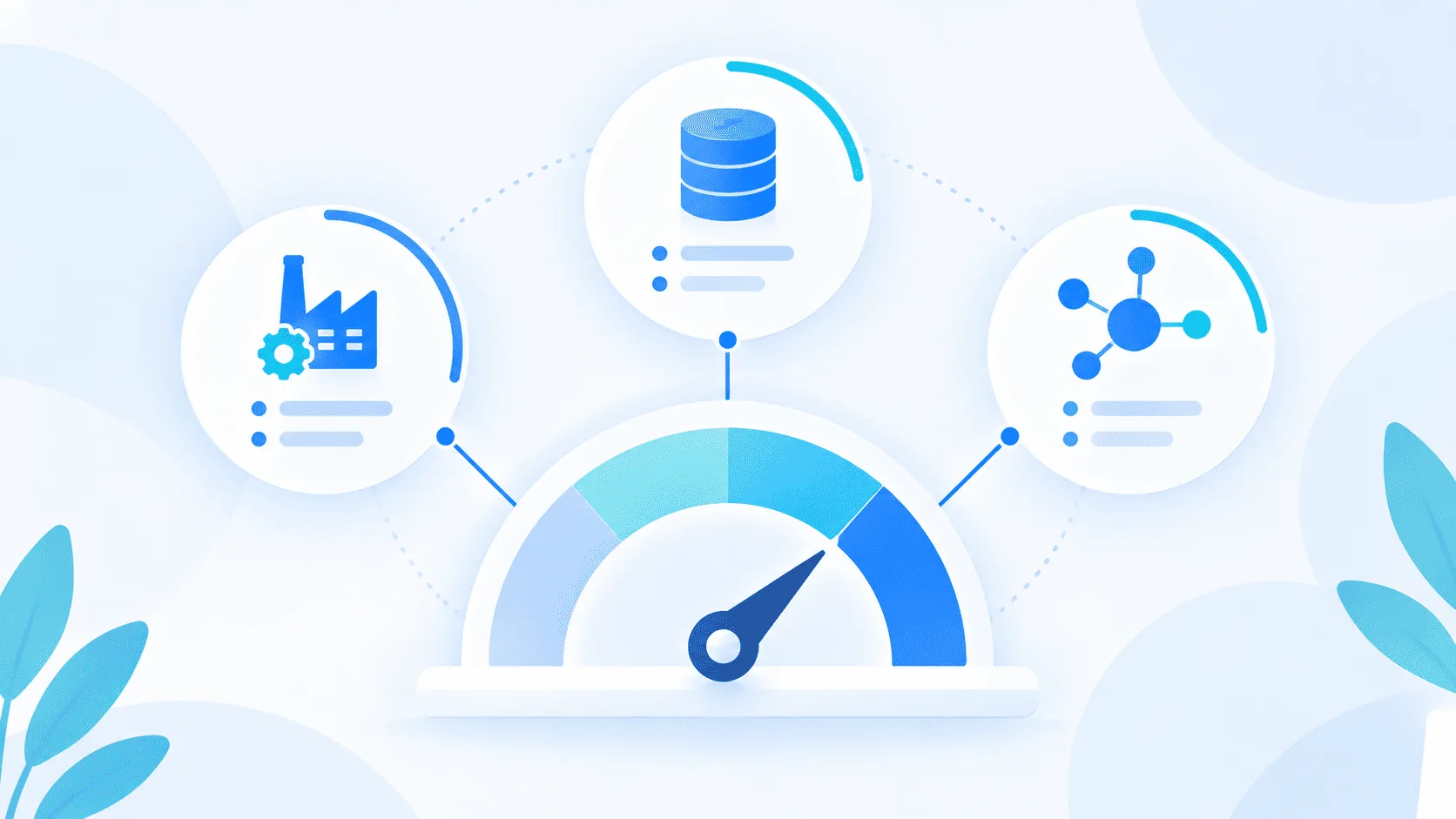
Starting from scratch gives you greater freedom, but you also need to develop the fundamentals: user accounts, permissions, customer records, pipelines, dashboards and everything else the system needs to function.
If your requirements are highly specialized, that investment may be justified.
For many small and mid-sized businesses, however, an existing foundation is worth considering first.
A customizable CRM already has the core structure in place. The project can focus on adapting the parts that don't match your business rather than rebuilding features that already exist.
This approach may reduce development effort and shorten the implementation process. The actual savings depend on the flexibility of the existing platform and the changes required.
What About AI, Maintenance and Other Costs?
These are the details that can make two similar-looking quotes very different.
AI features, such as lead qualification or follow-up suggestions, may add development or usage costs. Unless there's a clear need for them from the start, it can make sense to introduce them after the main CRM is working.
Maintenance is another area to clarify early.
Will your provider handle hosting, backups, security updates and technical support? Is there an initial support period? What happens when you need a new report or an additional integration six months later?
And if the project changes halfway through, how will that affect the budget?
A good proposal should explain which services are included, what counts as additional work and how future changes will be priced.
How to Compare CRM Quotes Without Getting Lost in the Details
Before choosing a provider, make sure you're comparing similar scopes.
One proposal may include migration and training, while another covers only configuration. A lower price can look attractive until the missing work appears later.
Ask these questions before signing:
- What will actually be delivered? Confirm the modules, workflows and integrations.
- What's included in the price? Check migration, training, hosting and support.
- How long will implementation take? Look for a schedule based on your requirements rather than a generic promise.
- What happens if the scope changes? Agree on how additional work is approved and priced.
- Who owns the data and custom developments? Understand the licensing, hosting and ownership terms.
Payment milestones can also help make the project easier to manage. For example, payments may be tied to configuration, testing and final delivery rather than collected entirely upfront.
The goal isn't to find the longest proposal. It's to understand exactly what you're committing to.
How MONARK CRM Approaches Customization
This is the thinking behind MONARK CRM.
Rather than building a new CRM from the ground up, MONARK starts with an existing functional platform that includes lead management, sales pipelines, customer records, tasks and reporting.
From there, the system can be adapted to the company's workflows, roles and industry-specific requirements.
The process starts with a guided demo. If the platform is a good fit, the next step is to define a pilot around a real business process. That helps establish what already works, what needs adapting and what additional integrations may be required.
The budget and deployment schedule are then defined around the agreed scope, rather than assuming that every business needs the same CRM package.
For companies that need more than a standard subscription but don't want to commission a completely new system, this offers a practical option to explore.
FAQ
How much should a small business budget for custom CRM software?
It depends on the approach. Configuring a SaaS product, adapting an existing CRM and developing a new system have different cost structures. A reliable estimate requires a clear list of features, integrations and implementation services.
Does custom CRM software cost less in the long run?
It can, especially when subscription costs are significant or substantial customization is required. But maintenance, hosting and future development must also be included in the comparison.
How long does a custom CRM project take?
It depends on the amount of customization, the data being migrated and the integrations involved. An existing platform may shorten the process, but the schedule should be confirmed after the project is scoped.
Is ongoing maintenance included in the price?
Not necessarily. Some providers include initial support, while others offer separate maintenance agreements. Always check what happens after launch.
Final Thoughts
The price of a CRM matters, but so does what you're getting for it.
A low monthly subscription can be a great fit for a straightforward sales process. A customized solution may make more sense when your team needs workflows that standard software doesn't handle well.
Before making a decision, compare the full cost, the work involved and the flexibility you'll need as your business grows.
And if you'd rather adapt an existing platform than start from zero, explore MONARK CRM to see how it could fit your business.
Discover MONARK CRM, a customizable CRM, already built, adapted to your business.