What happens when the software your business uses no longer fits the way your teams actually work?
Many companies start with standard software, spreadsheets and separate tools. This often works well at first.
But as the business grows, processes become more complex. Information gets scattered, teams repeat manual tasks and important workflows become harder to manage.
This is where custom business applications can make a difference.
A custom application is built around the company's actual needs, processes and workflows.
What Are Custom Business Applications?
A custom business application is software developed specifically for a company's operational needs.
Unlike off-the-shelf software, it is not designed for a broad market. It is built around specific workflows, users and business requirements.
For example, a company may need a specific way to manage customers, projects, resources, approvals or internal operations.
Instead of changing the process to fit the software, a custom application can be designed to fit the process.
Why Do Businesses Invest in Custom Applications?
Companies usually consider custom software when their existing tools become difficult to manage.
A critical process may depend on a combination of spreadsheets, emails and several disconnected applications.
This can lead to duplicate data, manual work and limited visibility.
A custom application can bring the process into one environment and automate parts of the workflow.
The goal is not simply to replace existing software.
It is to make an important business process easier to manage.
What Business Problems Can a Custom Application Solve?
Custom applications can address many operational problems.
They can help when:
- information is spread across several tools;
- teams repeat the same manual tasks;
- processes are difficult to follow;
- data is entered several times;
- management lacks visibility;
- existing software cannot support a specific workflow.
The application is then designed around the problem instead of forcing the company to adapt to a predefined process.
Custom Business Applications vs. Off-the-Shelf Software
Both approaches have their place.
Off-the-shelf software is usually faster to deploy and already includes standard features. It can be a good choice when the business process is common and well supported.
Custom Business Application: is built around specific requirements. It can be adapted to internal workflows and connected to systems already used by the company.
Custom Business Application is not automatically the better option.
If an existing product solves the problem well, developing a new application may add unnecessary cost and complexity.
The question is therefore not “Custom or standard?”
It is “Does the existing software fit our business well enough?”
What Can a Custom Business Application Manage?
Custom business applications can cover very different business needs.
For example:
- Customer management through a custom CRM;
- Project portfolios through PPM software;
- Project execution and resources through project management tools;
- Staffing and capacity management;
- Internal workflows and approvals;
- Documents and business processes;
- Customer or partner portals.
These applications may serve different purposes.
The common principle is that they are designed around the way the organization works.
What Are the Benefits of Custom Business Applications?
The main benefit is a better fit with the company's processes.
A custom application can also:
- centralize business information;
- reduce manual work;
- automate repetitive processes;
- improve visibility;
- connect different systems;
- evolve with the business.
Modern applications can also include AI.
For example, AI can help analyze data, automate repetitive tasks or identify potential issues.
The technology should serve the business process, not become the objective itself.
How Do You Identify the Right Business Needs?
Before developing an application, the business process needs to be understood.
Start by asking simple questions:
- What needs to improve?
- Who uses the process?
- Where do delays or errors occur?
- What information is needed?
- Which tasks are repetitive?
- Which decisions need better information?
Mapping the current workflow helps define what the application really needs to do.
This step is important because building software before understanding the process can lead to unnecessary features.
How Is a Custom Business Application Built?
A custom application usually starts with business analysis rather than development.
The process can follow several steps:
Business analysis → Process mapping → UX/UI design → Development → Integration → Testing → Deployment
First, the business requirements and workflows are defined.
The application is then designed around these requirements and connected to the necessary systems.
After testing, it can be deployed and improved as the business evolves.
When Is a Custom Business Application Worth It?
Custom software can make sense when an important business process is not well supported by existing tools.
Typical signs include:
- Excel has become difficult to maintain;
- several systems need to work together;
- teams perform many manual operations;
- standard software does not match the workflow;
- the process is important to the business;
- requirements are likely to change over time.
It is also worth considering the opposite case.
If an existing solution already covers the process effectively, customization may not be necessary.
The objective should always be to solve a business problem, not simply to build new software.
CRM, PPM and Other Business Applications: What's the Difference?
Custom business applications can support different areas of a company.
A CRM focuses on customers, sales and relationships.
PPM (project portfolio management) software focuses on projects, resources, priorities and portfolio visibility.
Project management software focuses more on the daily execution of projects.
These are different use cases, but they can all be adapted to specific business processes.
The important point is to start with the company's workflow and requirements.
The software comes next.
How Much Does a Custom Business Application Cost?
There is no single price for custom software.
The cost depends mainly on the complexity of the application.
Important factors include:
- number of users;
- number of workflows;
- integrations;
- interface complexity;
- data migration;
- security requirements;
- AI features;
- maintenance and future development.
A simple internal application may require a very different investment from a platform used by several departments or customers.
For this reason, the first step should be defining the scope and business requirements.
How MONARK IT Builds Custom Business Applications
MONARK IT develops custom business applications around real business processes.
Our solutions can cover different business needs, including CRM, PPM, project management, resource management and HR.
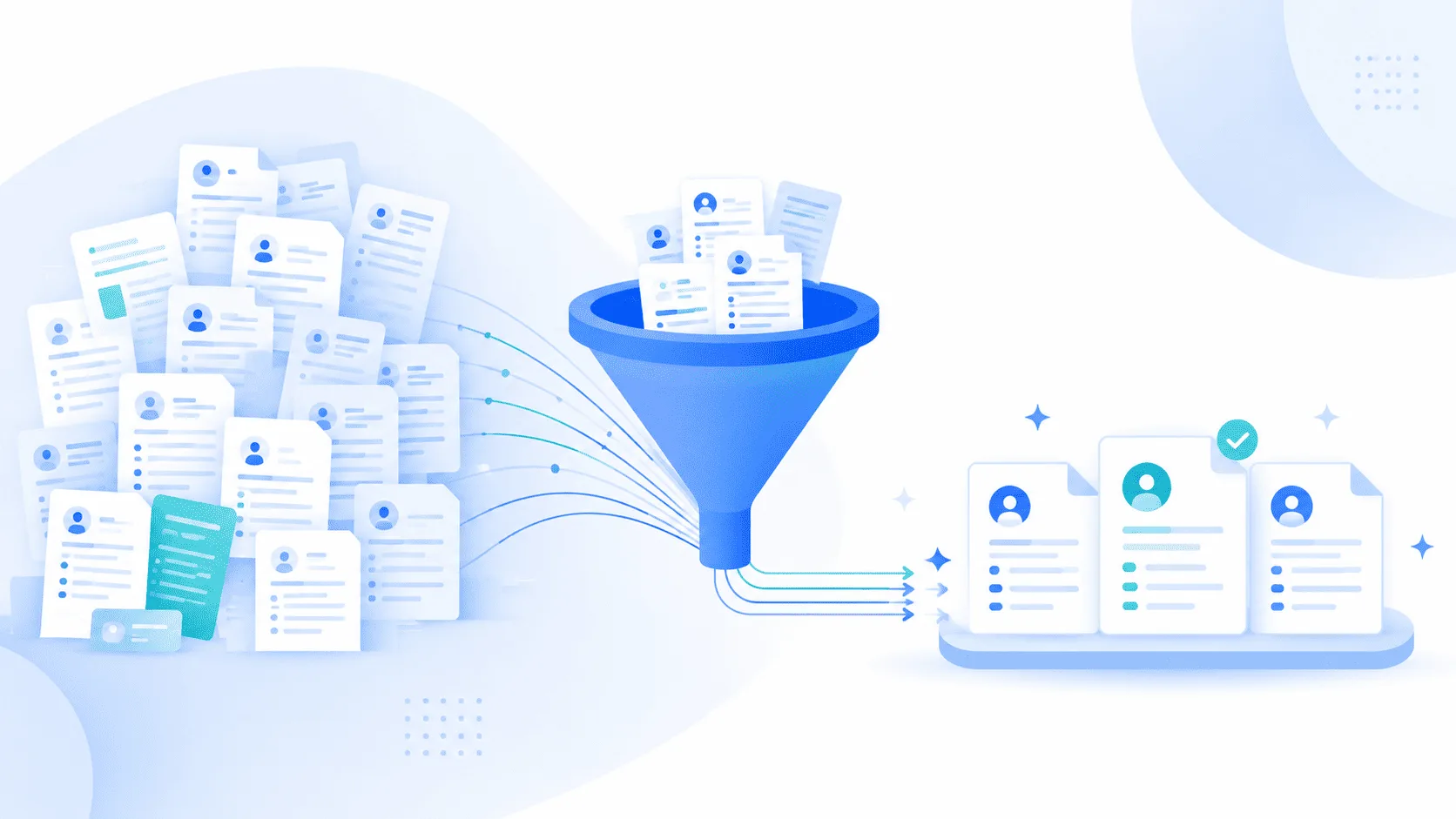
For example, MONARK Core is a PPM platform for managing projects, resources, staffing, budgets and reporting, while Pepit is an HR tool that uses AI to support CV screening and recruitment.
The approach combines business analysis, UX/UI, web and mobile development, integrations and AI when it provides a clear business benefit.
The objective is simple: build software that fits the way the business works and can evolve with it.
Key Takeaways
- Custom business applications are built around specific business processes and workflows.
- They can reduce manual work and bring scattered information together.
- Standard software remains the right choice when it already meets the business needs.
- Custom applications can cover CRM, PPM, project management and many other business processes.
- The process should start with understanding the business need, not with development.
- AI can add value when it helps automate tasks or make business information easier to use.
- The right solution is the one that fits the business problem without adding unnecessary complexity.
FAQ
What is a custom business application?
A custom business application is software developed specifically for the processes, workflows and operational needs of a particular business.
What is the difference between custom and standard software?
Standard software is designed for a broad range of users and businesses. Custom software is designed around the specific requirements of one organization.
When should a business build a custom application?
A business can consider custom software when existing tools do not fit its processes, information is scattered or important workflows require too much manual work.
Can a CRM be a custom business application?
Yes. A CRM can be customized or developed around a company's specific sales process, customer data and workflows.
Can a PPM platform be a custom business application?
Yes. PPM software can be adapted to an organization's project structure, resource planning, staffing, budgets and reporting requirements.
How long does it take to develop a custom business application?
The timeline depends on the application's scope, complexity, integrations and number of features. A focused MVP will generally require less time than a complete business platform.
Can custom applications use AI?
Yes. AI can be integrated to automate repetitive tasks, analyze business data, generate information or help users interact with the application through natural language.
Explore MONARK Custom Business Applications
Looking for a business application that fits your processes? Explore MONARK's modular solutions:
- MONARK Core: PPM and operational management for projects, teams, resources, budgets and leave.
- MONARK Pepit: AI-powered HR software for CV analysis, candidate scoring and interview preparation.
- MONARK CRM: A customizable CRM for leads, customers, sales pipelines, follow-ups and reporting.
Each application can be adapted to your workflows and connected to your existing tools.